
Minimalist Public Washrooms: Engineering the “Clean Look” Without Losing Performance
Clean and uncomplicated are common descriptions of minimalist public washrooms, but the best examples are anything but simple. They reflect disciplined coordination among architecture, structure, plumbing, waterproofing, accessibility, and operations. In commercial and institutional buildings, minimalism works when it limits visual noise without sacrificing serviceability, durability, or regulatory compliance.
This article focuses on the technical strategies designers employ to create successful fixture integration and intuitive space flow while adhering to ADA accessibility requirements, water efficiency frameworks like WaterSense, and California’s CALGreen code. The idea here is to regard minimalist washrooms as engineered systems rather than aesthetic exercises.
Translating design intent into buildable zones
Minimalism often falls apart at the point where hidden systems meet necessary access. Early design should consider the bathroom as a series of well-defined constructible zones with specific depth and clearance tolerances.
Typical zones include wet walls housing carriers, valves, traps, cleanouts, sensor power, and access panels; dry service cavities for electrical and low-voltage systems; and impact zones exposed to carts, cleaning equipment, and repetitive contact.
Providing each hidden system with a specific access plan at the time of schematic design is what protects the minimalist concept. The frequent result when access is delayed, projects revert to exposed piping, misaligned fixtures or visually disruptive hatches.
Seamless fixtures depend on concealed structure, not thin finishes
Wall-hung fixtures and carrier coordination
Wall-hung water closets and lavatories are used whenever possible to maintain floor continuity and ease maintenance. Their successful use is dependent upon early coordination between structure and plumbing.
The carrier loads must align with the stud or structural backing, and deflection limits checked to avoid cracks in tile, stone, or large-format panels. Standardization of rough-in height and chase depth across fixture types reduces field variability and minimizes uneven reveals in the field.
Performance of flush valves and supply fitting
Concealed installations require standardized performance nevertheless. Plumbing supply fittings and accessories shall be specified to recognized standards like ASME A112.18.1/CSA B125.1, which covers the fittings between the stop and the terminal fixture. Such referencing of established standards reduces leakage risks and facilitates long-term maintenance with more ease across building portfolios.
Space flow as a problem of codes and operations
Minimalist bathrooms tend to be based on geometry, lighting, and proportion instead of signage. This will put more concentration on circulation logic and compliance with clearance.
Clear turning and approach spaces at doors, lavatories, and accessories prevent queuing conflicts, particularly in high-occupancy facilities. Separating handwashing circulation from exit paths reduces cross-traffic and slip hazards. Cleaning circulation should also be considered to make sure the custodial carts can move without striking partitions or sensor components.
For the accessibility standards, the DOJ’s 2010 ADA Standards for Accessible Design is the main federal reference.
best practices for state and local governments under title II of the ADA; current new and revised requirements for the built environment, transportation, and communication (see www.ada.gov/law-and-regs/design-standards/2010-stds/)
The U.S. Access Board consolidated ADA Standards PDF will often be utilized for coordination sets and internal reviews.
Visual reference (16:9 image cards — exactly 3)
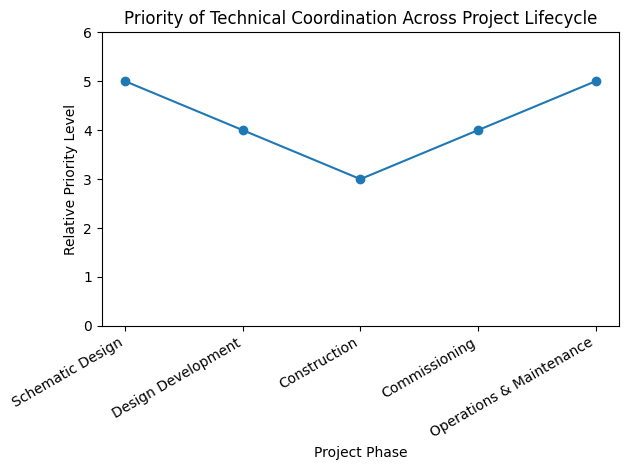
ADA coordination details affecting minimalist outcomes
Placement of lavatory and accessories
Flush planes and recessed accessories often create unintended conflicts with ADA reach ranges and operability. Some common conflicts include dispensers installed too far beyond allowable forward reach, sensor activation zones that are not sensitive enough to allow operation by seated users, and mirror heights affected by finish thickness.
The accounting for finish build-ups and recess depths during design development prevents costly late adjustments.
Doors, hardware and thresholds
Minimum detailing will create barriers if door clearances, hardware forces, or floor transitions are not considered. The flush threshold, generous maneuvering clearances, and operable hardware with compliant force requirements must be considered an essential design feature rather than an afterthought detail.
Water efficiency without trade-offs in performance
WaterSense a filter criterion spec.
Because minimalist washrooms often standardize fixture types throughout large areas, performance consistency is key. The EPA’s WaterSense program provides product specifications that can be used to reduce water use while maintaining functional performance; it offers a practical prequalification tool for certain commercial fixtures.
Web site: EPA WaterSense product specifications
For institutional facilities, the commercial faucets section within EPA’s WaterSense at Work guidance supports operational water management planning.
CALGreen alignment and documentation
California projects or those that use CALGreen as a benchmark for sustainability will need to harmonize the requirements for fixture flow rates, documentation, and commissioning. CALGreen serves as a framework that connects design intent, specification, and verification.
Official state resources include:
This text of the CALGreen code, hosted by ICC, is often used during multidisciplinary coordination.
Durability strategies that preserve minimalist aesthetics
With fewer visual breaks, damage is much more apparent in minimalist bathrooms. The need for durability has to be addressed both in terms of material selection and detailing.
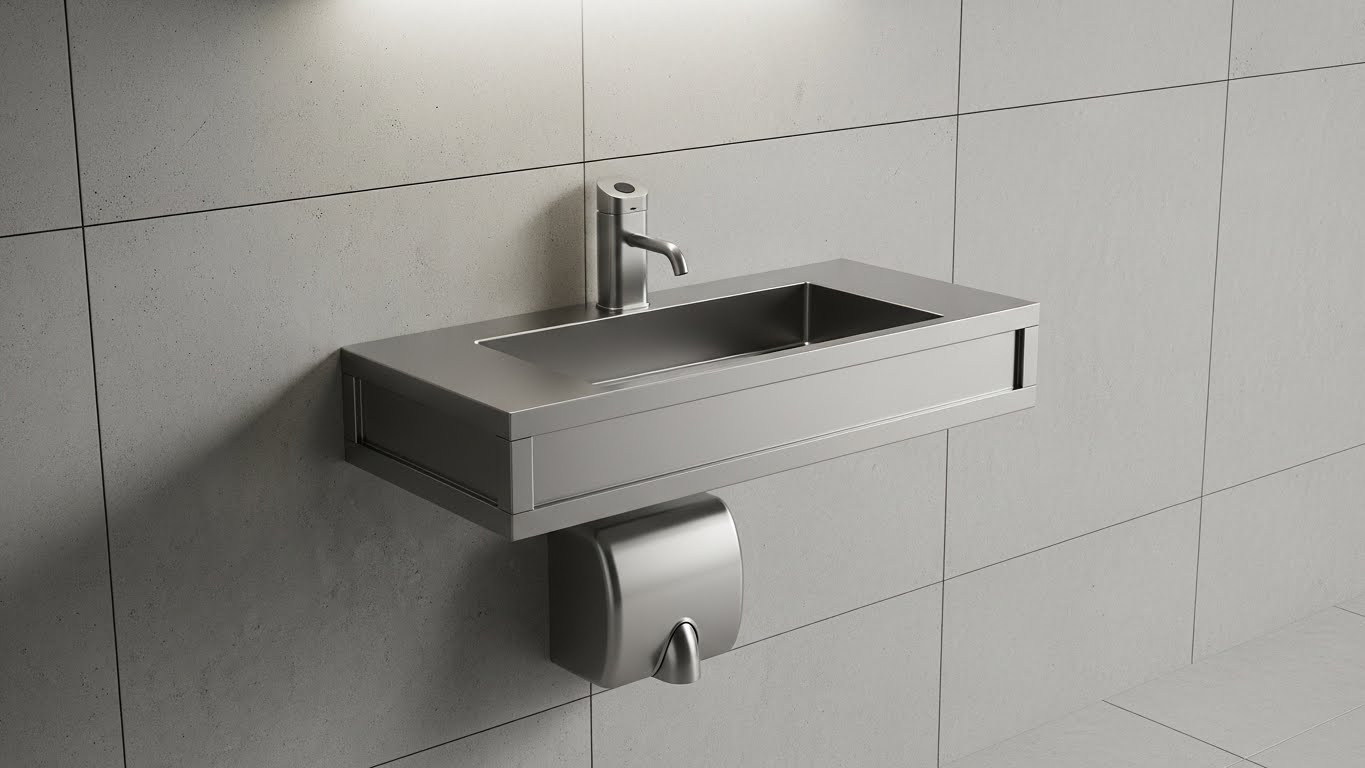
Large-format panels require verification of substrate flatness and allowance for thermal and moisture movement. Geometry-based protection, such as recessed edges or shadow gaps, reduces impact damage at corners. Grouts, sealants, and coatings should be selected to be compatible with institutional cleaning chemicals.
One practical benchmark for durability is to consider how the space would perform after a number of years and cleaning cycles, not just at project turnover.
System integration in commercial and institutional environments
Minimalist bathrooms typically incorporate sensor-activated fixtures; however, these systems must remain serviceable. Hardwired power reduces battery replacement yet must be carefully segregated from wet zones. Shutoff locations and isolation zones must enable partial operation during maintenance. Commissioning must confirm sensor calibration under actual pressure and user conditions.
Even without full building management system integration, closeout manuals documenting control settings, spare parts, and troubleshooting procedures support long-term performance.
Video
Specification considerations for minimalist public toilets
Co-ordination Architectural
Define chase depths and access strategies early. Describe transitions to avoid moisture trapping and edge chipping. Coordinate ceilings to preserve sprinkler protection and lighting consistency without visual noise.
Plumbing and water systems
Reference recognized performance standards such as ASME A112.18.1/CSA B125.1 where applicable.
Support efficiency and procurement consistency using WaterSense specifications. Align fixture selection, where possible, with the requirements of CALGreen. Accessibility Coordinate ADA clearances, reach ranges, and operability with actual finish thicknesses and recessed conditions.
Closing note
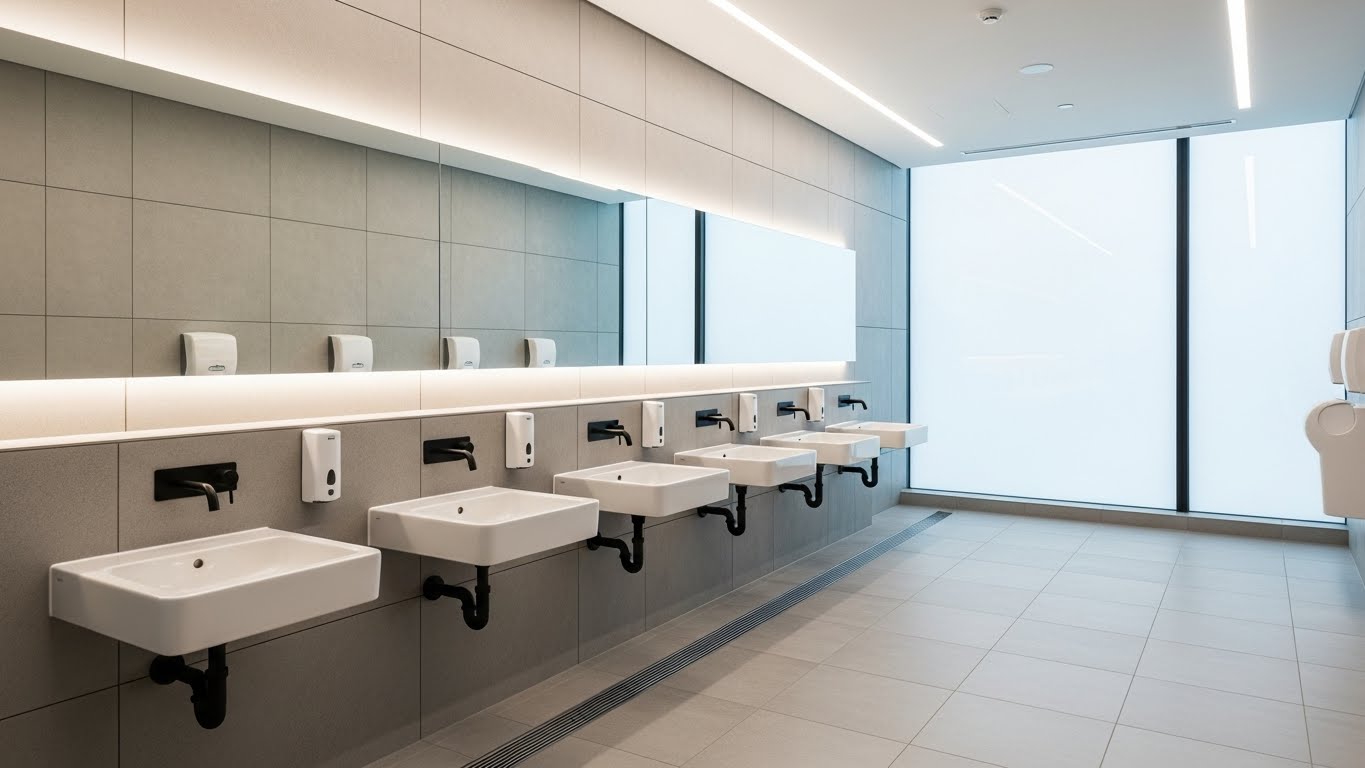
A minimalist public washroom is less a question of visual restraint and more one of technical resolution. Treat accessibility, water efficiency, durability, and system integration as core design inputs, and minimalism stops being a stylistic goal and starts to become a quantifiable performance outcome.
Summary table
| Topic | Key point | Risks if missed | References |
|---|---|---|---|
| Buildable zones | Define wet, dry, and impact zones early with planned access | Exposed piping, misaligned fixtures, disruptive hatches | |
| Wall-hung coordination | Align carriers with structure, control deflection, standardize rough-ins | Cracked finishes, uneven reveals | |
| Plumbing performance | Specify to ASME A112.18.1/CSA B125.1 where applicable | Leakage risk, inconsistent maintenance | ASME plumbing supply fittings |
| Space flow | Plan turning, approaches, and separated circulation paths | Queues, cross-traffic, slip hazards | 2010 ADA Standards (DOJ) |
| ADA details | Account for reach ranges, sensors, mirrors, and finish build-ups | Late rework, noncompliance | ADA Standards PDF |
| Water efficiency | Use WaterSense specs and guidance for consistency | Underperformance or inconsistent fixtures | WaterSense specs • WaterSense at Work faucets PDF |
| CALGreen | Align flow rates, docs, and commissioning to verification | Coordination gaps, failed documentation | DGS CALGreen • HCD CALGreen • ICC CALGreen |
| Durability | Detail for impacts, movement, and cleaning chemicals | Damage becomes highly visible | |
| Systems + O&M | Hardwire carefully, isolate shutoffs, commission sensors, document settings | Downtime, unserviceable systems |
Note: Reference items are presented as buttons below (no inline links).
Verified reference links
Links are intentionally presented as reference cards/buttons (inline links are hidden for a cleaner reading experience).
-
 ada.gov
2010 ADA Standards for Accessible Design (DOJ)Primary federal reference for accessibility standards used for design and compliance review.
ada.gov
2010 ADA Standards for Accessible Design (DOJ)Primary federal reference for accessibility standards used for design and compliance review. -
access-board.gov
ADA Standards PDF (U.S. Access Board)Consolidated ADA Standards PDF commonly used in coordination sets and internal reviews.
-
asme.org
ASME A112.18.1/CSA B125.1 (Plumbing supply fittings)Recognized standards for fittings and accessories between the stop and terminal fixture.
-
epa.gov
EPA WaterSense — Product specificationsSpec framework to reduce water use while maintaining functional performance in standardized fixture programs.
-
epa.gov
WaterSense at Work — Section 3.3 Faucets (PDF)Supports operational water management planning for institutional facilities.
-
dgs.ca.gov
CALGreen (California DGS, BSC)Official CALGreen resources for flow rates, documentation, and verification alignment.
-
hcd.ca.gov
CALGreen (California HCD)State resource for CALGreen program context and documentation guidance.
-
codes.iccsafe.org
CALGreen code (ICC) — indexCoordination reference frequently used across disciplines for CALGreen code text.
-
access-board.gov
ADA Guide — Chapter 6: Toilet Rooms (Access Board)Helpful guide reference for accessible toilet room requirements and interpretation.
-
bobrick.com
Bobrick — Accessible Restroom Design (Commercial Presentation PDF)Supplemental training-style reference for accessibility coordination and common requirements.
No responses yet