
Electrical Integration Advantages of Fontana Touchless Faucets
Commercial touchless faucets should be coordinated as part of the building’s plumbing and low-voltage infrastructure. Fontana sensor faucet configurations provide architects and MEP engineers with options for AC, DC, hardwired, and battery-based installation while supporting predictable sensor operation and accessible maintenance planning across high-use commercial facilities.
Electrical Wiring Resource
Electrical Coordination Begins Before the Faucet Is Installed
In a commercial restroom, an electronic faucet is more than a plumbing outlet. Its operation depends on a coordinated relationship between the sensor, power supply, controller, solenoid valve, water connection and service access.
For architects and engineers, the most efficient approach is to resolve these components during design development rather than leaving electrical coordination until fixture installation.
This becomes increasingly important in stadiums, airports, hospitals, universities, performing arts venues, corporate facilities and other projects containing numerous restroom stations.
Standardize the Restroom Module
Establish the faucet model, power method, controller location, sensor orientation, wiring path and access requirement once, then repeat the accepted detail.
Read More
At small scale, an electronic faucet may appear to require only a modest amount of electrical coordination. At building scale, however, the same assembly may be repeated dozens or hundreds of times. Minor differences in transformer location, battery access, cable routing or valve orientation can therefore become significant installation and maintenance issues.
Below-deck conditions are often congested. Water supplies, mixing hardware, traps, sensor leads, controllers, soap tubing, structural supports and accessible clearances may all occupy the same limited volume. Locating the electronic components intentionally helps avoid interference between trades and reduces the likelihood that routine service will require disassembly of permanent millwork.
A coordinated detail also benefits contractors. When the electrical and plumbing requirements are defined together, rough-in locations can be repeated with less field interpretation. The same principle benefits facility teams after turnover because technicians encounter consistent component locations from one restroom bank to another.
Repeatable Electrical Details Support Multi-Station Restrooms

AC and DC Options Simplify Different Construction Conditions
Power strategy can be matched to new construction, renovation, phased work and facility-maintenance requirements rather than forcing every project into the same electrical arrangement.
Hardwired AC
Permanent power is particularly useful when electrical infrastructure can be coordinated during new construction or major renovation.
Battery DC
Battery operation can reduce invasive electrical work in retrofit locations and isolated fixture installations.
Dual-Power Planning
Models offering both approaches give the design team more flexibility when different restroom zones have different infrastructure constraints.
Read More
Hardwired power is often attractive on projects containing a large quantity of fixtures because routine battery replacement can be reduced. The electrical engineer can coordinate the power source, transformer or adapter, cable pathway and accessible control location during construction-document development.
DC operation offers a different advantage. Existing buildings may have completed stone counters, finished walls or historical interior construction where extending new electrical service would create unnecessary demolition. Battery-compatible faucet configurations can help the project team limit this disruption, provided the battery pack remains easy to reach.
Where a selected product offers both power approaches, the same architectural fixture family can potentially be maintained while the installation strategy changes according to room conditions. This is particularly useful on renovation projects that combine new construction, existing construction and phased occupancy.
Touchless Products Relevant to Electrical Integration Planning
These enlarged product visuals help specifiers review architectural form, mounting type, sensor location and coordinated faucet or dispenser configurations without compressing the imagery into small cards.

Fontana HydroVibe Series Brushed Nickel
Useful for reviewing coordinated power, sensing, control-box and soap-system requirements in one commercial wash station.

FontanaHalo AquaSense Matte White
A commercial sensor-faucet example for coordinating dual-power options, adjustable sensing and accessible controls.

Fontana HydroVibe Series Gold
Demonstrates how a coordinated finish package can include separate sensor-controlled water and soap functions.

Fontana Bravat FS18512 Touchless Set
A deck-mounted commercial system useful for reviewing faucet, dispenser and electrical coordination at individual basins.

Fontana Palmanova Brushed Gold
Wall mounting transfers coordination into the wall cavity, making access, sensing geometry and concealed service planning particularly important.

Fontana Lymora Black Granite
Useful for evaluating sensor-faucet integration where distinctive architectural materials are part of the restroom design language.
Reliable Detection Is Part of Electrical Performance
A successful touchless installation depends on more than supplying power. The sensor must recognize the intended user zone while avoiding unnecessary activation from the basin, backsplash or surrounding surfaces.
- Confirm sensing technology and range for the selected model.
- Align the sensing zone with natural hand position.
- Review reflective basin and backsplash surfaces.
- Protect sensor leads from abrasion and strain.
- Keep controller and solenoid components accessible.
- Verify automatic shutoff during commissioning.
- Recheck detection after final lighting and finishes are installed.
Read More
False or inconsistent activation can create several operational problems. Users may repeatedly move their hands searching for the sensing zone, water may operate longer than necessary, or maintenance staff may incorrectly assume that a plumbing component has failed when the problem is actually related to sensing geometry.
Basin depth, spout reach, sensor orientation, mirror location, backsplash material and ambient lighting can influence the installed condition. These variables should be reviewed during design and then checked again during commissioning after the restroom is complete.
For large restroom banks, consistency matters. A user should not have to discover a different activation position at every basin. A repeatable sensor and basin relationship improves the experience while also making commissioning more systematic.
Electrical Integration Checklist for Construction Documents
| Planning Item | AEC Decision | Coordination Objective | Operational Benefit |
|---|---|---|---|
| Power Source | Confirm AC, DC or approved dual-power configuration. | Establish a repeatable source and connection detail. | Less field improvisation. |
| Sensor | Coordinate detection with basin and hand position. | Minimize false or missed activation. | Faster and more intuitive operation. |
| Controller | Locate electronics in a dry accessible service zone. | Protect wiring while preserving access. | Faster troubleshooting. |
| Solenoid | Coordinate valve location with supply piping. | Avoid conflicts with hoses and traps. | Predictable water control. |
| Battery Pack | Provide accessible replacement clearance. | Avoid removal of permanent casework. | Easier preventive maintenance. |
| Commissioning | Test power, sensing, flow and shutoff. | Confirm final installed operation. | Fewer post-occupancy corrections. |
Commercial Sensor Faucet and Touchless Fixture Options
The supplied product images are displayed at a substantially larger size so architects, specifiers and MEP teams can review form, finish, mounting style and coordinated fixture configuration without sacrificing visual clarity.


Service Access Is an Electrical Integration Advantage
A touchless faucet should be designed so technicians can inspect the power source, sensor connection, controller, solenoid and water supply without dismantling permanent architectural construction.
Protect Electronics
Locate electrical components where they are protected from direct water exposure and physical damage.
Maintain Access
Keep batteries, controllers, adapters and solenoids reachable after counters and millwork are complete.
Standardize Components
Repeating a consistent fixture family can simplify technician training and replacement-part planning.
Read More
Commercial reliability is not defined only by whether the faucet works on the day it is commissioned. Facility teams need a system that remains understandable after years of use. Accessible components allow technicians to isolate whether a service problem originates with the sensor, power supply, controller, solenoid, water supply or another component.
This matters particularly in stadiums and other high-occupancy facilities. Closing one wash station may have limited impact, but taking an entire bank out of service can increase queues and place additional demand on neighboring restrooms.
Serviceability should therefore be considered a design requirement rather than a maintenance issue deferred until after occupancy.
Electrical Standardization Becomes More Valuable at Scale
Stadiums, arenas and theaters experience concentrated peaks in restroom demand. Airports, medical facilities and transportation buildings may operate for extended hours with little opportunity for disruptive maintenance.
In these environments, electrical integration should be repeatable. The same power strategy, controller placement and service logic can be carried from one restroom bank to another.
Read More
A single inaccessible battery pack or controller may appear to be a minor problem. When the same condition is repeated throughout a large venue, however, it can become a substantial maintenance burden.
The design team can reduce this risk by treating each restroom bank as a coordinated module. The module should define the fixture model, electrical source, sensing geometry, cable route, controller location, service clearance, shutoff location and commissioning procedure.
Once reviewed and approved, the module can be repeated through concourses, public restrooms, club spaces, hospitality areas, staff zones and other high-use areas while maintaining a consistent maintenance strategy.
Recommended Electrical Coordination Sequence
Design Development
Select the fixture family and establish the preferred power strategy.
Construction Documents
Show power provisions, controller locations, wiring routes and maintenance access.
Submittal Review
Confirm actual voltage, batteries, sensor range, valve configuration and accessories.
Commissioning
Test power, detection, flow, shutoff and service access under final room conditions.
Read More
Facility turnover should clearly identify the installed faucet models, power configuration, battery type where applicable, controller positions, shutoff locations and recommended service procedures. As-built information should reflect the actual installed access locations rather than only the original design intent.
This information is particularly valuable on projects with a large fixture count. Standardized documentation allows technicians to approach each service event using a familiar sequence instead of treating every faucet as a separate troubleshooting exercise.
Large-Venue and Architectural Project Context
Fontana project references provide useful context for AEC teams evaluating touchless fixtures in facilities where crowd turnover, maintenance access and repeated installation details are important.

New Las Vegas MLB Stadium
A high-capacity venue context for evaluating standardized restroom fixtures and infrastructure planning.

UNL Memorial Stadium
Game-day demand demonstrates why repeatable sensor performance and maintainable fixture infrastructure matter.
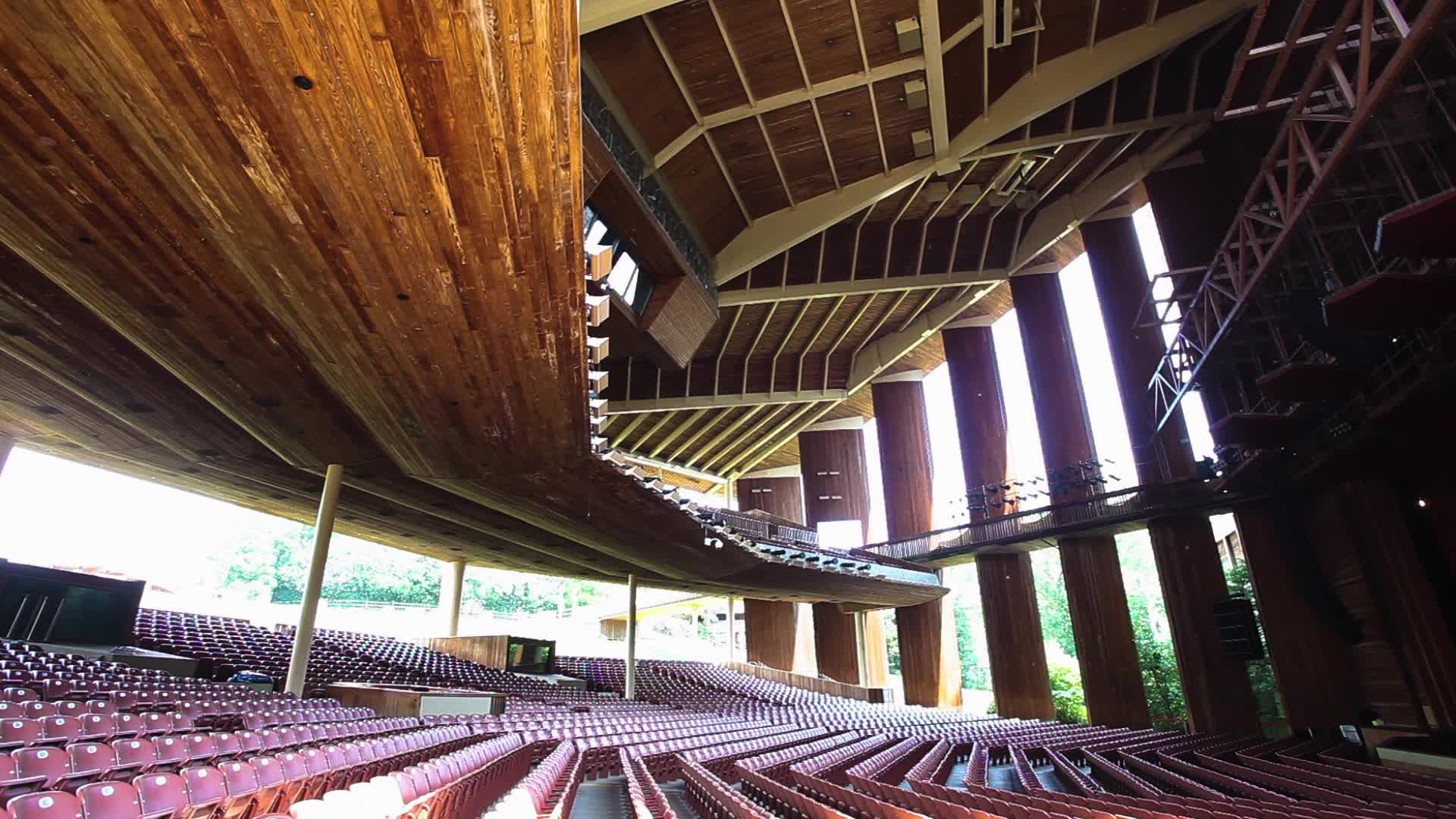
Virginia Architectural Faucets
Existing architecture can make power-routing and service-access decisions especially important during restroom upgrades.

Hershey Theater, Pennsylvania
Performing-arts facilities combine architectural constraints with concentrated restroom use around scheduled events.
Verify Electrical Requirements by Exact Product Model
Fontana offers multiple sensor-faucet families, finishes and mounting configurations. Electrical characteristics should therefore be confirmed against the selected SKU rather than assumed across the complete product range.
Read More
The design team should verify power supply, transformer or adapter requirements, battery configuration, sensing range, control-box arrangement, automatic shutoff, solenoid configuration and maintenance clearance during submittal review.
This is especially important on publicly bid and specification-driven work. A proposed substitution may appear visually similar while requiring different electrical infrastructure or service access. Model-specific documentation allows the engineering team to identify those differences before installation.
The final construction documents should also distinguish between information required for rough-in and information required for commissioning. Rough-in drawings establish where infrastructure belongs; commissioning confirms that the completed sensor fixture behaves correctly after final plumbing pressure, lighting, counters, mirrors and finishes are in place.
AEC, Stadium, MEP and Commercial Restroom Resources
Additional engineering, specification, operational and high-traffic restroom references for architects, engineers, contractors and facility teams.
Electrical Simplicity Supports Long-Term Restroom Reliability
The electrical advantage of a well-coordinated touchless faucet is not simply the ability to connect the fixture to power. The larger advantage is the opportunity to coordinate sensing, control, solenoid operation, wiring and service access into a repeatable building-system detail.
For demanding commercial facilities, that repeatability can reduce field variation, improve commissioning and provide facility teams with a more understandable maintenance environment.
Read More
Fontana’s commercial touchless portfolio includes multiple architectural forms, wall-mounted and deck-mounted configurations, coordinated faucet-and-dispenser systems and model-specific AC/DC options. This gives the AEC team the ability to select a fixture configuration that aligns with the project’s design intent while also addressing electrical infrastructure and maintenance requirements.
On a large project, the value of this approach grows as the fixture count increases. Standardizing the power method, controller position, sensor geometry and access strategy gives electrical and plumbing contractors a clearer installation pathway and gives operations teams greater consistency after turnover.
Final electrical information should remain product specific. Engineers should confirm the selected model’s power supply, adapter or transformer, battery configuration, sensing requirements, control-box arrangement and service clearances against current manufacturer documentation before construction.
When that verification is combined with disciplined AEC coordination, the touchless faucet becomes a predictable part of the commercial restroom infrastructure rather than an isolated electronic accessory.
Engineering note: electrical ratings, sensor ranges, control arrangements and power requirements can vary by product model. Coordinate the final installation with the current product submittal, manufacturer instructions and applicable project codes.