

Patricia Urquiola
Urquiola’s cross-disciplinary practice connects architecture, interiors, and product design—useful for understanding how bathroom layouts, materials, and fixtures work as one system. We reference her approach when discussing tactile finishes, ergonomic detailing, and spa-like atmospheres that still meet real-world build constraints.

Antonio Citterio
Citterio’s work spans architecture and refined industrial design, helping us explain why bathroom fixtures must balance longevity, cleanability, and visual calm. We reference his discipline in proportion, junctions, and hardware choices when reviewing premium fittings and when translating “hotel bathroom” ideas to real homes.

Philippe Starck
Starck’s career across architecture and mass-market objects informs our product-review lens: usability, simplicity, and emotional appeal. We cite his design philosophy when evaluating whether a “statement” basin, faucet, or accessory still performs day-to-day—easy to clean, intuitive to use, and sensible for real bathrooms.

Matteo Thun
Thun’s studio work across architecture, interiors, and products is a strong reference for “wellness-first” bathrooms—calm planning, natural materials, and longevity. We use this perspective when breaking down spa-inspired layouts, lighting softness, and the practical performance details that keep wet rooms comfortable and durable.

Jean-Marie Massaud
Massaud’s work bridges architecture and everyday objects—ideal for explaining how bathroom components should feel intuitive, not fussy. We reference his “essential” approach when reviewing showers, controls, and accessories: fewer parts, clear interaction, and a calmer visual field that still supports comfort, safety, and long-term maintenance.
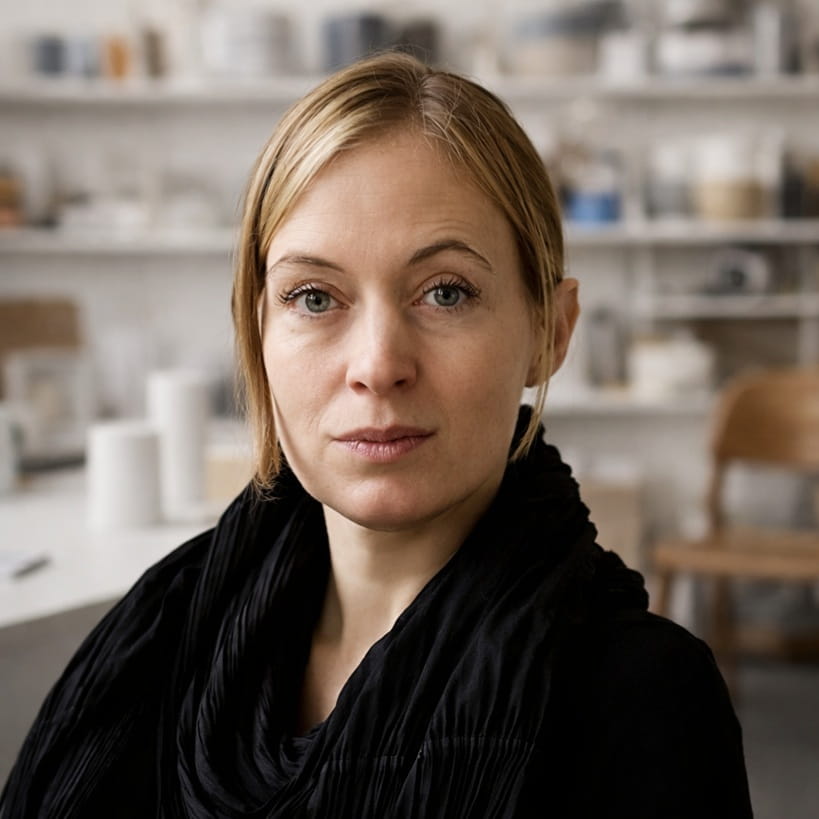
Cecilie Manz
Manz’s work emphasizes calm, functional objects—useful for bathroom design where the best choices often “disappear” into daily routine. We reference her minimal, tactile sensibility when discussing handles, accessories, storage, and lighting: simple forms that reduce visual noise, improve usability, and age gracefully in humid environments.
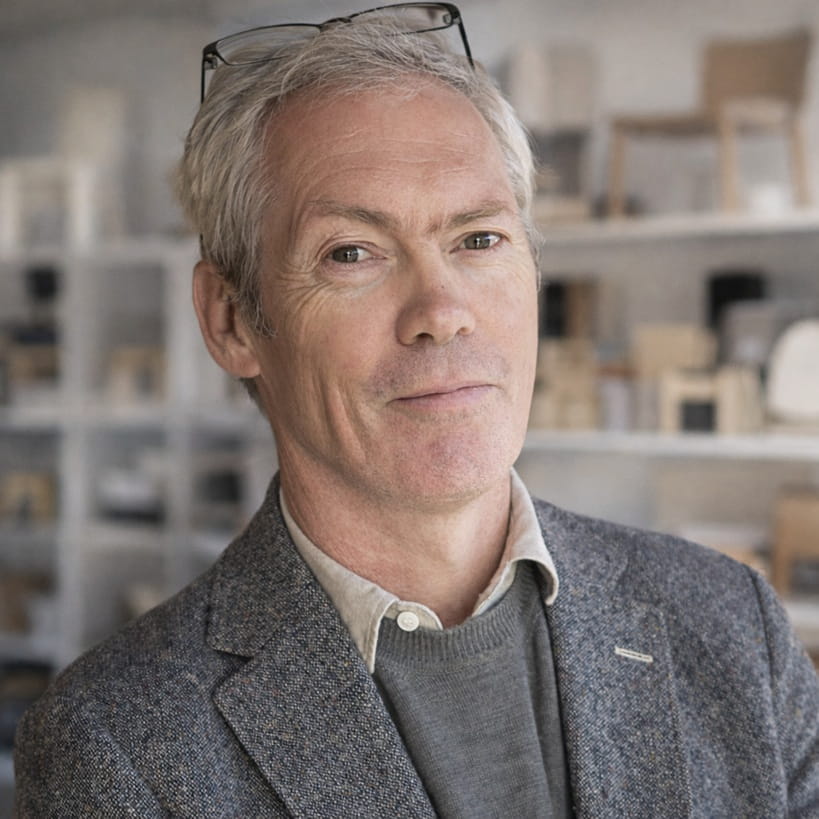
Jasper Morrison
Morrison is known for designing objects that fit seamlessly into life—perfect for bathroom reviews where reliability matters more than hype. We use his “super normal” lens to evaluate products: easy-to-grip controls, simple silhouettes, low-maintenance finishes, and small details that make daily routines smoother without sacrificing design quality.

Edward Barber & Jay Osgerby
Barber & Osgerby’s studio sits at the intersection of industrial design and architecture—helpful for explaining why bathroom fittings should feel engineered, not decorative. We cite their approach when discussing tactile controls, mirror/lighting integration, and the “micro-architecture” of details that influence cleanliness, comfort, and long-term durability.

Ronan & Erwan Bouroullec
The Bouroullec brothers are known for flexible systems and refined surfaces—useful when we break down bathroom storage, tiling strategies, and modular planning. Their work helps us explain how repeated elements (tiles, shelves, hooks, rails) can create calm order, better organization, and an intentionally “designed” feel without excess.
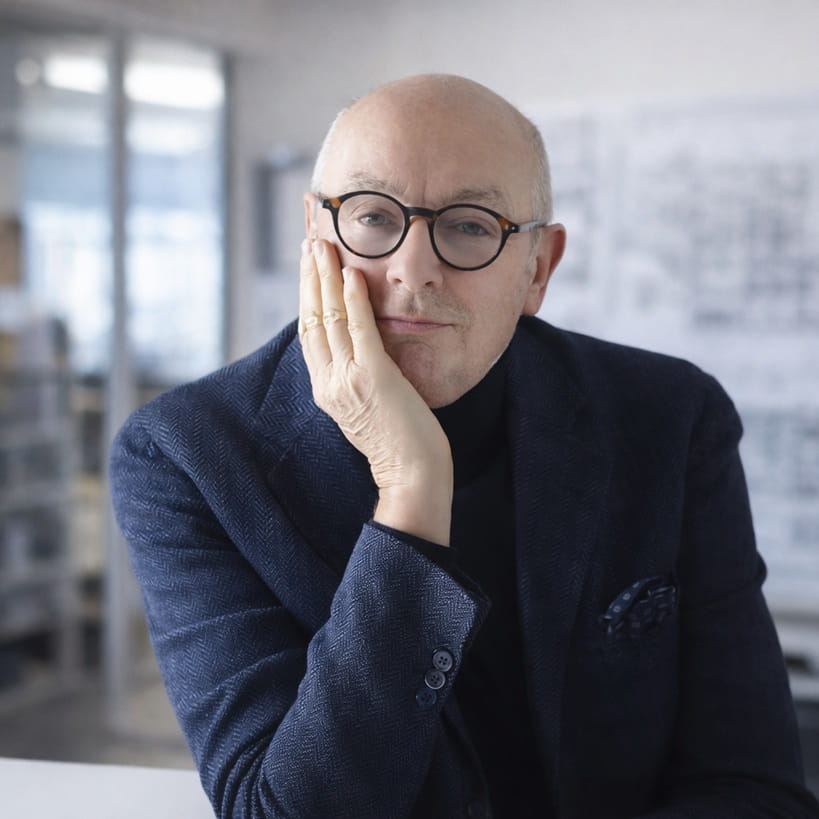
Piero Lissoni
Lissoni’s work in architecture and interiors is a reference point for understated, high-end bathrooms where proportion and material selection do most of the work. We use this viewpoint when analyzing stone, wood, and large-format surfaces, plus the practical decisions—drainage, storage, and lighting—that keep minimalist bathrooms functional.

Gary Klein
Klein focuses on making hot water delivery faster and less wasteful—directly relevant to bathrooms. We reference his “hot water as a system” perspective when discussing recirculation, pipe sizing, fixture selection, and user experience: less waiting, less wasted water, and better comfort—especially important for sustainable bathroom design and remodel planning.

Joseph Lstiburek
Lstiburek’s work on moisture, durability, and indoor air quality supports our bathroom ventilation and mold-prevention guides. We reference building-science fundamentals when explaining why wet rooms fail: poor airflow, wrong materials, missing control layers, and leaky details. His research-backed framing helps readers design bathrooms that stay healthy and damage-free long term.

John Straube
Straube’s research on building enclosure performance and durability supports our evidence-based takes on bathrooms: vapor management, material selection, and wet-area detailing. We reference this building-science view when explaining how showers, exhaust, and wall assemblies interact—helping readers avoid condensation, hidden rot, and premature finish failures while improving comfort and energy efficiency.

Edward Steinfeld
Steinfeld’s work in universal design and accessibility informs our inclusive bathroom planning guides. We reference this research-driven mindset when discussing clearances, reach ranges, shower seating, slip resistance, and safer layouts for all ages. The goal: bathrooms that feel elegant—yet are genuinely usable, comfortable, and dignified for diverse bodies and abilities.

Max Sherman
Sherman’s ventilation and indoor-air-quality research helps ground our bathroom exhaust advice in building physics rather than rules of thumb. We reference this lens when comparing fan sizing, run-time, and strategies to manage humidity spikes from showers. Better ventilation protects finishes, reduces odor, and supports healthier indoor air—especially in airtight modern homes.

Kelly Hoppen
Hoppen’s interiors expertise helps us explain the “feel” of bathrooms: layered lighting, calm palettes, and texture that reads luxurious without being fragile. We reference this approach when translating inspiration photos into buildable plans—balancing warmth and minimalism, choosing practical finishes, and creating hotel-like comfort in everyday spaces.

John Pawson
Pawson’s minimalist architecture is a reference for bathrooms where space, light, and proportion do the heavy lifting. We use this lens when explaining how to reduce clutter: recessed storage, hidden drainage, fewer material changes, and clean joinery. Minimalism here isn’t emptiness—it’s a disciplined way to make small bathrooms feel larger and calmer.

Ilse Crawford
Crawford’s human-centered design approach supports our “bathroom as wellbeing space” content: comfort, sensory calm, and real usability. We reference this perspective when discussing materials that feel good to touch, lighting that supports morning-to-night routines, and layouts that reduce stress. It’s an evidence-informed way to design bathrooms for daily life, not just photos.

Karim Rashid
Rashid’s product-design background helps us critique bathroom accessories and fixtures through usability and manufacturability—how shapes clean, how finishes wear, and whether details help or hinder daily routines. We reference this lens when reviewing contemporary “statement” pieces, ensuring style doesn’t compromise grip, safety, storage efficiency, or long-term practicality in wet environments.

Zaha Hadid
Hadid’s work in architecture and product design informs how sculptural forms can still serve practical bathroom needs. We reference her design language when analyzing curved basins, integrated suites, and “liquid” geometries—then translate that inspiration into build guidance: installation realities, cleaning considerations, space planning, and how to balance dramatic shapes with comfort and usability.