
Selecting Restroom Fixtures for LEED, WELL & Fitwel Certifications: A Complete Checklist
(for AEC teams, owners, and facility managers who want fewer RFIs, cleaner submittals, and predictable O&M)

Restroom fixtures are “small” line items that can carry outsized certification and operations risk. A faucet that misses its performance assumptions (or a soap dispenser that clogs, drips, or is mounted out of reach) doesn’t just impact user experience—it can complicate documentation, trigger rework, and create recurring maintenance tickets.
This guide focuses on specifier-ready decisions you can document and defend—especially around indoor water use, handwashing support, and operational verification.
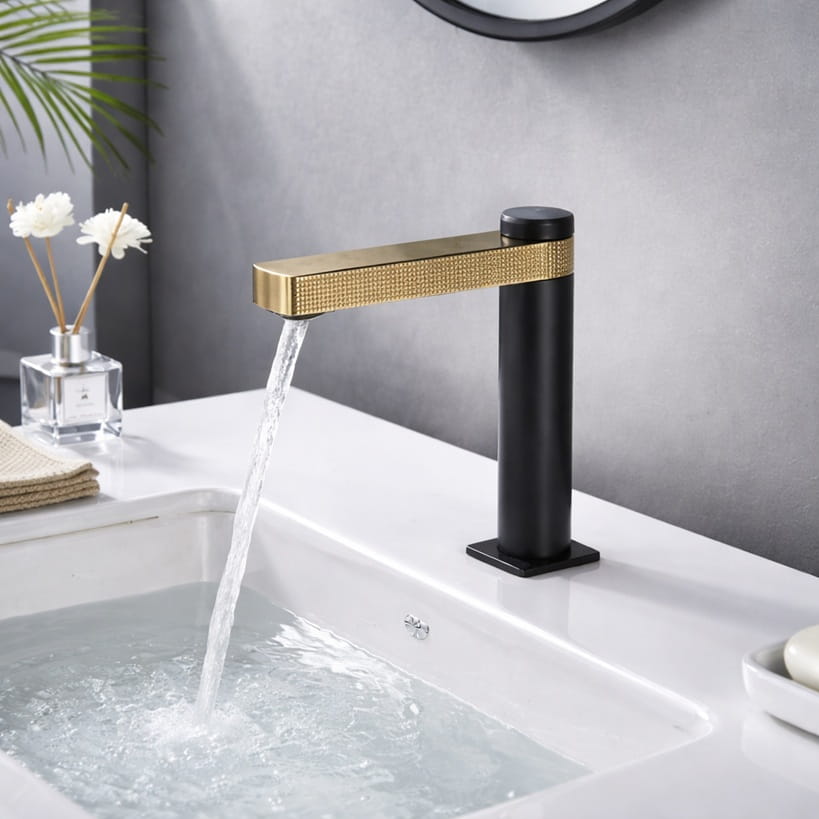
Why fixtures matter differently for LEED vs WELL vs Fitwel
LEED: quantifiable water performance + verifiable product eligibility
LEED’s indoor water use pathways often lean on WaterSense to confirm high-efficiency and performance (where WaterSense-labeled categories exist). USGBC guidance explicitly ties WaterSense to indoor water reduction compliance paths and lists the fixture categories where it applies.
WELL: supports behaviors (effective handwashing) more than “product points”
WELL’s approach is typically about enabling health outcomes—handwashing is a behavior that depends on soap availability, intuitive placement, and usability (not just the faucet itself). The WELL feature library frames hand washing as an occupant-health measure and points teams to the latest standard version.
Fitwel: requires O&M protocols + evidence of hand hygiene infrastructure
Fitwel’s documentation commonly expects a hand hygiene protocol plus evidence of planned and installed hand hygiene station locations, and it also addresses handwashing signage in its guidance.
The Complete Checklist (specifier-ready)
Water efficiency & performance (LEED-first, helps everyone)
Goal: lock your assumptions early so submittals and calculations don’t drift.
Specify & verify
- Define the compliance approach (prescriptive vs calculation) before fixture selection so teams don’t guess later.
- Use WaterSense-labeled products where eligible and keep proof in the submittal set. USGBC identifies the WaterSense-labeled categories typically relied upon (e.g., tank-type toilets, water-using urinals, private lavatory faucets, showerheads).
- Confirm eligibility and category coverage using EPA’s WaterSense references (labeling and specification coverage changes over time).
- Document rated flow/flush metrics + test conditions (gpm/gpf, pressure assumptions, sensor cycle behavior).
- Treat public vs private use carefully (documentation and assumptions often differ by use type).
Common miss that causes rework:
A team specifies “WaterSense for everything,” but some fixture types are not labeled categories—so they still must meet reduction criteria through calculation or alternate documentation.
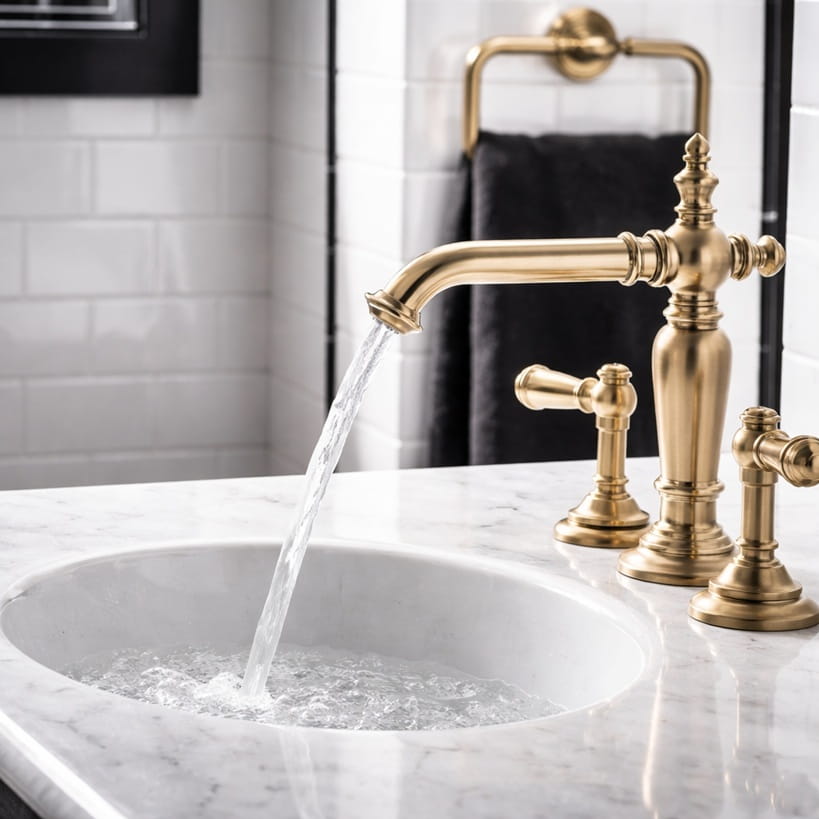
Handwashing infrastructure (WELL + Fitwel alignment)
Goal: make handwashing easy, obvious, and consistently supplied.
Plan for the full sequence
- Sink usability (reach, splash control, activation clarity)
- Soap availability (refill strategy + compatible chemistry)
- Drying strategy (towel vs dryer placement)
- Behavioral cues (signage where required)
Specify & verify
- Soap dispensers are placed where users naturally look and reach (not hidden behind high backsplashes or outside the intuitive zone).
- Touchless activation zones are tested for usability (avoid false triggers from reflective surfaces and mirrors).
- O&M can support the strategy: refill access, battery access, and standardized parts.
Fitwel’s hand hygiene guidance emphasizes protocol + evidence of station locations; signage guidance reinforces that handwashing prompts can be part of compliance evidence depending on pathway.
WELL’s handwashing feature similarly treats handwashing as a health-support behavior and points to the latest standard version for current requirements.
Accessibility & operability (reduces risk across all programs)
Goal: avoid late-stage ADA conflicts and “it passed plan review but fails in the field” problems.
Specify & verify
- Operable parts are within required reach ranges for the approach condition (forward vs side).
- Controls do not require tight grasping, pinching, or twisting.
- The dispenser doesn’t create a protruding object hazard when mounted in circulation zones.
- Service access does not require removing the fixture or violating clearances (battery/soap refill shouldn’t force awkward removal).
(Tip: Treat soap dispensers like any other device with approach + operability constraints—don’t leave it to “field fit.”)
Materials, finishes & cleaning compatibility (certification durability = operational durability)
Goal: ensure the finish you specify can survive the cleaning regimen the building actually uses.
Specify & verify
- Confirm finish compatibility with facility cleaning chemicals (sensor lenses and coated finishes fail early when cleaning is too aggressive).
- Choose finishes based on touch frequency + visible wear (public restrooms, healthcare, and hospitality have different wear profiles).
- Standardize where possible to reduce stocking complexity (keys, cartridges, pump modules, batteries).
Submittals, closeout & field verification (the “keep your points” step)
Goal: make documentation easy, and make operations predictable.
Collect
- Cut sheets showing model, flow/flush rate, sensor cycle/run time (if applicable)
- WaterSense evidence where relevant (and where it applies)
- Commissioning record: settings, activation distance, dose settings (soap)
- O&M manuals + spare parts strategy
- As-built locations of hand hygiene stations (Fitwel pathways commonly require this type of evidence).
Support documents (downloadable)
Use these as printable checklists and submittal trackers for your project binder / closeout package:

Certification + standards references
Restroom Fixture Compliance: Water Efficiency, Health Outcomes, and Documentation Alignment
In certified building programs such as LEED, WELL, and Fitwel, restroom fixtures play a critical role in both performance metrics and operational outcomes. Lavatory faucets, flush fixtures, and soap dispensers must be specified with verifiable flow rates, activation consistency, and user accessibility to support compliance pathways and reduce post-submittal revisions. Water-efficient fixtures typically operate within 0.35–0.5 GPM ranges for faucets and align with EPA WaterSense criteria where applicable.
Beyond water reduction, fixture selection directly impacts occupant health and behavior. WELL and Fitwel frameworks emphasize reliable handwashing infrastructure, including intuitive touchless activation, consistent soap delivery, and proper placement within user reach zones. These elements contribute to measurable hygiene outcomes while supporting documentation requirements such as station location verification and maintenance protocols.
From an AEC specification perspective, aligning fixture performance with certification criteria requires early coordination between design teams, consultants, and facility operators. Standardized submittals, documented flow assumptions, and serviceable components ensure long-term compliance while minimizing RFIs, change orders, and operational inefficiencies across certified building portfolios.