
Why Finish and Fixture Samples Matter in Commercial Specifications
A specification-focused overview for architects and engineers, centered on ADA, WaterSense, CALGreen, and ASME references, and practical sample handling for long-life environments.
This article highlights durability and sustainability, integration, and specification issues, specifically focusing on references to ADA, WaterSense, CALGreen, and ASME standards. All links provided below have been verified to be current and leading directly to accessible technical sources.
Finish and fixture samples are more than merely decorative objects. In relation to architectural and technical specifications, samples can be seen as technical tools that serve as means of communication of intentions, means of clarifying performance issues, and methods of risk aversion when purchasing and installing a product. While computer-generated graphics and graphic specifications are exemplary of a product, finish and fixture samples provide information about material properties, installation issues, and performance requirements that cannot be presented through tables and charts.
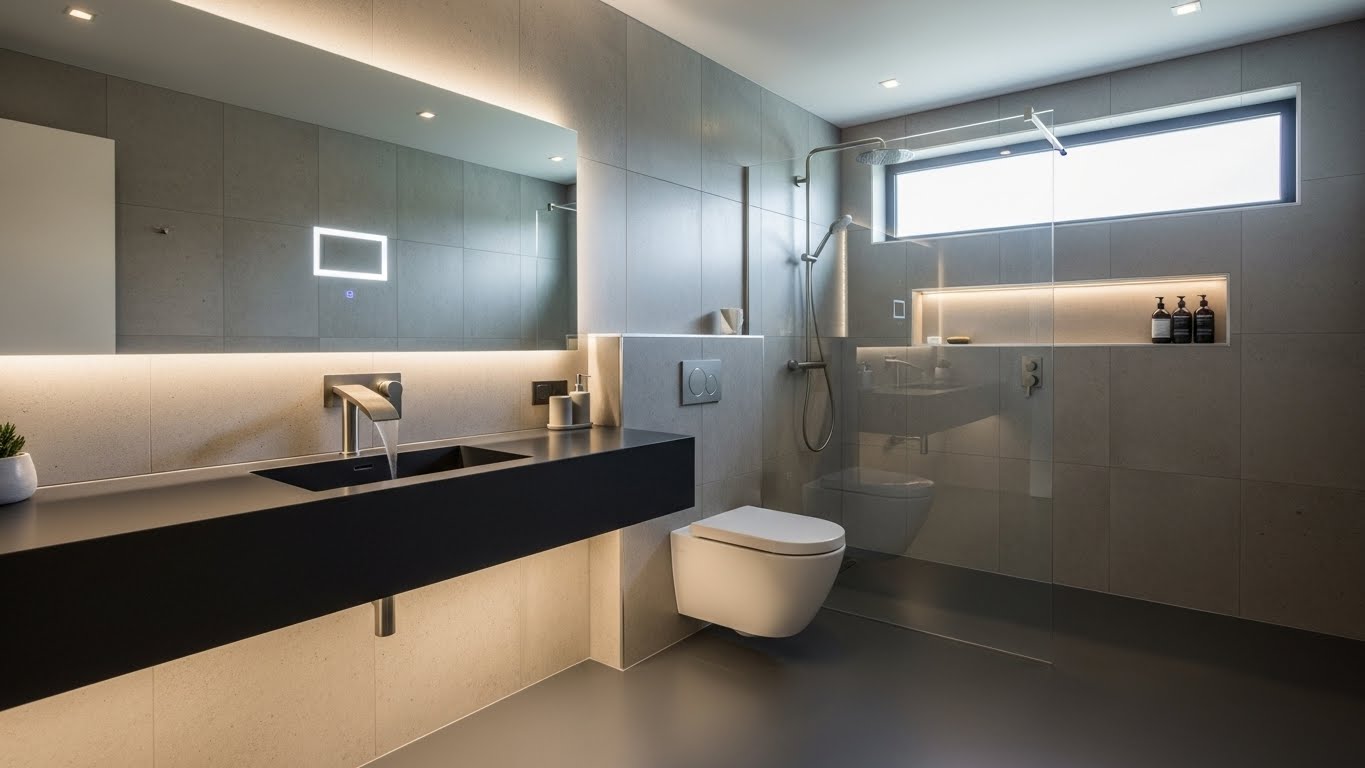
In long-life environments such as healthcare, transportation terminals, colleges and universities, government, or corporate campuses, samples of finish and fixtures enable early inter-disciplined coordination, as well as assist the goal of assuring all stakeholders involved in a project that the design intent is achievable, along with durability, sustainability, or compliance.
Importance of Samples in AEC Industry Specifications
Clarification of Technical and Aesthetic Intentions
Finish samples, such as cladding, metal paneling, paints, and engineered surface finishes, give a real-world point of departure for color, texture, reflectance, and gloss. These properties affect human vision but also affect light reflectance values, glare control, and finish performance properties when subjected to lighting. Finishes can affect ADA accessibility, and further reading regarding ADA and finish affectation can be accessed on ADA Standards for Accessible Design.
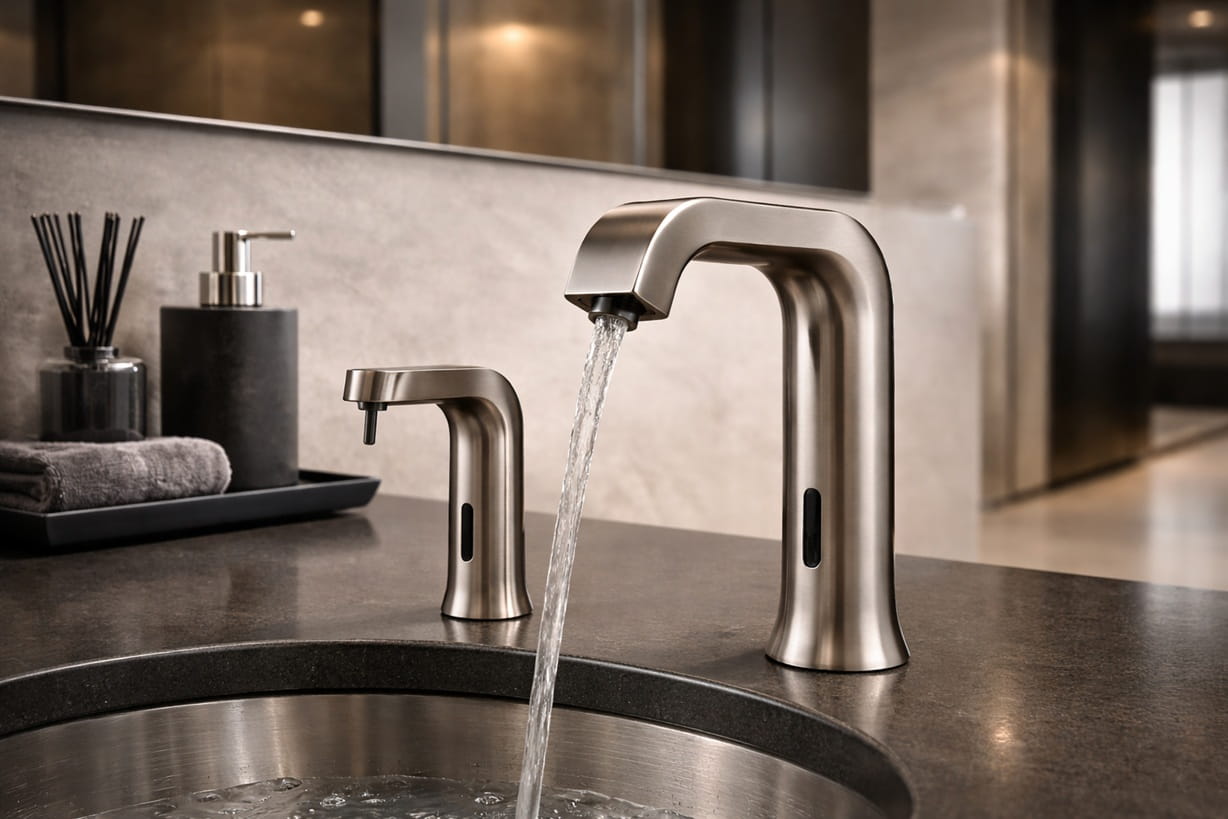
“Fixture samples with examples including faucets, flush valves, lavatories, accessories, and sensor combinations provide the same function. This is because it is essential to understand the functionality of the fixture in terms of its use of ergonomics, clearances, actuation force values for controls, and mounting relationships with other fixture elements.” For more information on the subject of fixture ergonomics and its usability, please consult the ADA guidelines accessible at ADA Guidelines.
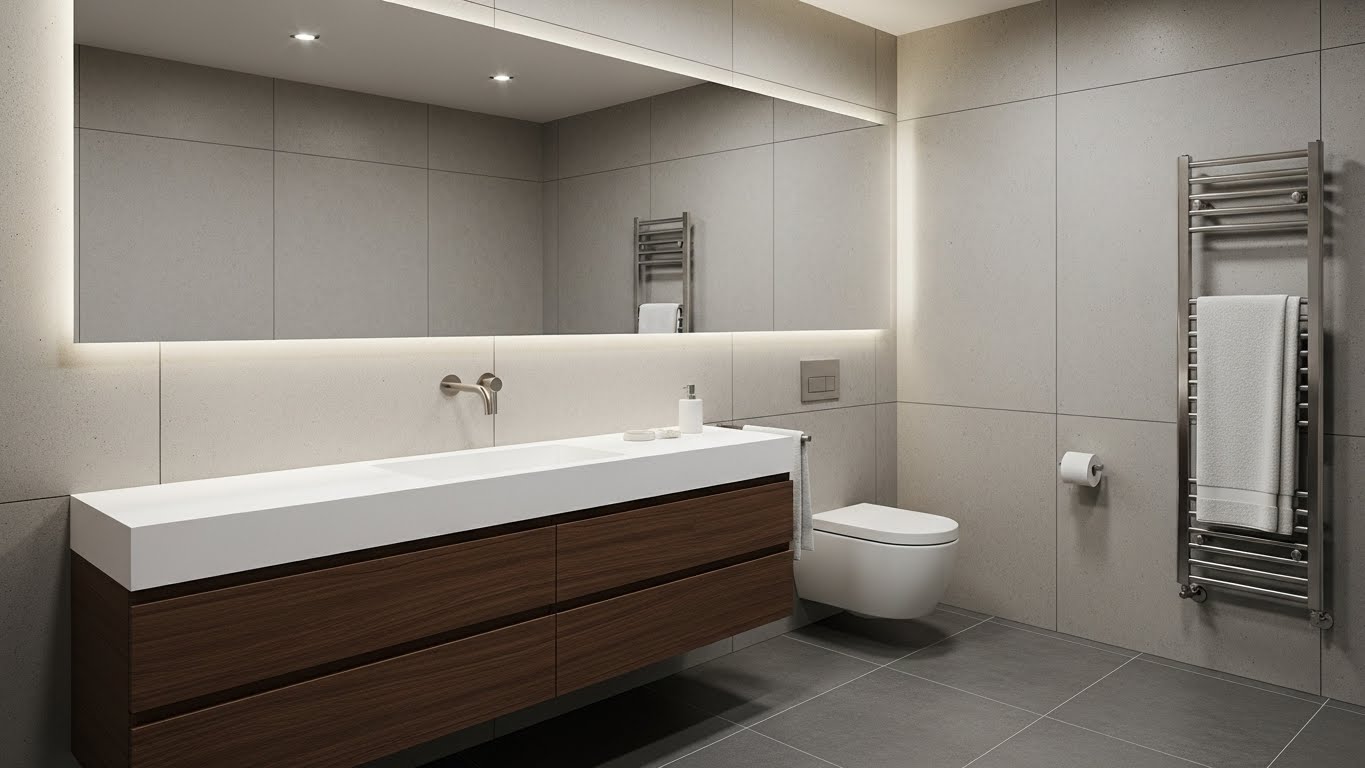
Samples are more significant within an institutional setup or when the need to maintain the durability, sanitation, and maintenance standards of the materials is high. Water-efficient fixtures for institutional use can now be explored through the following link: EPA WaterSense Program.
Embedding Code and Standards Compliance into Samples
Accessibility and water efficiency coordination
Accessibility: ADA Accessibility Standards for Accessible Design
The samples can help ensure the accessibility requirements that are necessary under the Guidelines and the 2010 ADA Standards for Accessible Design, enforced by the United States Department of Justice. This is because the fixture samples can help AEC professionals ensure the mounting ranges, floor space, operability, and approach ranges necessary for accessibility. Accessibility standards dictate the requirements of where plaintiff-related elements, soap dispensers, and paper towel dispensers should be placed. Physical samples help the AEC professionals understand better the ranges, touch, and clearance that cannot be provided by the plans. For more information about ADA, visit the ADA Standards for Accessible Design.
When testing ADA requirements, samples with actual controls, manual or sensor-activated, make possible the testing or fitting process, at least in mock-ups or review sessions, which could become problematic when built.
Water Efficiency: Integration of WaterSense and CALGreen
Water efficiency is a prominent specification criterion in today’s fixtures. Fixtures allow designers to evaluate water flow control, aerators, and valve functions within actual water supply conditions. The WaterSense program by the EPA certifies fixtures, displaying specifications for water efficiency and performance standards, where selection of fixtures compliant with WaterSense guidelines helps designers meet sustainable designs and water-use requirements within building codes such as CALGreen water-use requirements, with defined water-use thresholds. Designers will check if fixtures function within advertised flow rates and how aerators will act with expected water supply pressure. For WaterSense fixtures and more information, click on WaterSense.
“Physical samples can demonstrate the interaction between low-flow solutions and the basin shape. When low-flow fixtures are mismatched with small basins, the likelihood of splash increases, and this has implications for comfort level and cleaning cycles. This should be analyzed in samples early in the design stage.”
An example of this concept would be how to design handles for car mirrors that would be easily accessible to child passengers without interfering with adult passengers.
Performance of the Material Under Commercial Conditions
Finish and fixture samples provide the means to assess material system and engineered coatings performance under the expected environmental loads. These include:
- Corrosion resistance
- Abrasion performance
- Chemical attack by cleaning regimes
- UV Exposure (Exterior Finishes)
- Thermal Cycling and Moisture Migration
For instance, there could be differing grades of stainless steel finishes, such as 304 or 316 stainless steel, and differing levels of surface finishing. This would impact on their corrosion resistance characteristics, mainly in areas close to highly humid or salt-filled air. Comparison tests of differing samples would help specification groups ensure that their chosen materials meet their expected performance characteristics and their upkeep plans. To learn more about corrosion-resistant materials and their application in fixtures, see ASME A112 Plumbing Fixtures.
Coordinating Fixtures Across Systems
ASME references and assembled component checks
Water Closets and ASME Codes
While specifying plumbing fixtures, it would be pertinent to include the respective performance standards within the language of the specification itself. The ASME A112 standards, for example, ASME A112.18.1, plumbing supply fittings, address the performance criteria of the respective valves, controls, material, and the leakage performances of the concerned plumbing fixtures. To get more details, refer to ASME A112 Plumbing Fixtures.
Sample fixtures can be used to check the interaction of assembled components, such as a sensor-controlled flush valve and a wall carrier system, or a solenoid valve in a low-pressure application in a kitchen faucet. Such evaluations are important because plumbing installations are often not standalone systems but part of a particular hydraulic system determined by factors such as water supply pressure, drainage capacity, and requirements for backflow prevention.
Example Libraries as Instruments of Interdisciplinary Cooperation
BIM: Introduction, Concept, Applications
Apart from physical samples, high-quality BIM objects are additional to finish and fixture samples in the documentation package. Precise 3D models enable:
- Interference analysis
- Coordinated space
- Clash Detection
- Electrical and piping routing
- Service Access Planning
When the physical samples are analyzed alongside the geometric data in BIM, the design team achieves an enhanced understanding of how the fixtures interact within space. This prevents RFIs and change orders when the construction process is undertaken.
Durability and Life Verification
Durability is an identifying performance trait in commercial applications. Sample materials and finishes enable identification of potential failure areas prior to installation. This is made possible based on the following example:
- Resistance to aggressive disinfection agents
- Finish coating “Surface textures having the effect of minimizing visible wear”
By evaluating the samples, designers and owners can establish consistency in their expectations about warranties, serviceability, and replacements. This is especially the case in high-traffic environments such as airports, stadiums, transit railroad facilities, and hospitals. For more on the standards involving durability in fixtures, see the requirements within the ASME A112 Plumbing Fixtures.
Best Practices in Finish and Fixture Sample Handling
-
Define Submission Requirements Upfront:
Project specifications should include definitive statements concerning the size of samples, mounting requirements, labeling, and context of submission. In regard to finishes, specify minimum sizes to investigate the properties of the finish. When dealing with fixtures, specify complete functional units to demonstrate how control is operated, mounting details, and trim requirements. -
Coordinate with MEP, Accessibility, and Code Review:
Incorporate review samples into collaboration on multi-discipline projects. This helps ensure that plumbing, electrical, accessibility, and architectural groups check against the same physical reference. -
Document Acceptance and Deviations:
Once the samples have been assessed, document the acceptance criteria and deviations. In cases where a substitute is offered, there must be a demonstration of equivalency, including performance and additional samples as required.
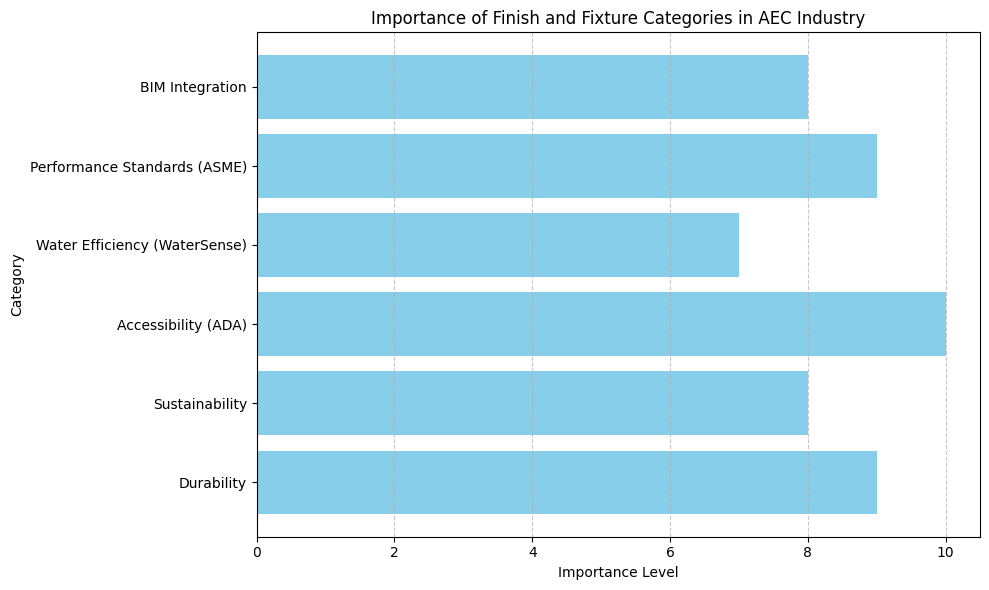
Conclusion
Finish and fixture samples are essential technical artifacts in architecture and engineering. They contribute to the kind of tangible understanding required to determine design intent, confirm compliance with accessibility requirements such as ADA, comply with the performance level of water efficiency ratings such as WaterSense and CALGreen, and meet high manufacturing and installation requirements set by standards like ASME. By including physical samples within the specification and coordination of the project, the design community can work toward minimizing risk, increasing constructability, and meeting the performance requirements established during the project initiation phase. Within the commercial and institutional market, the importance of durability, sustainable design, and efficient systems integration cannot overlook the critical component of finish and fixture samples.
Section Summary Table
| Section | Details | Links |
|---|---|---|
| Introduction | Finish and fixture samples communicate design intent and performance expectations, especially in commercial and institutional environments. | None |
| Clarifying Technical and Aesthetic Intent | Samples provide tactile references for color, texture, reflectance, and gloss, which influence human perception and surface performance. | ADA Standards |
| Accessibility: ADA Standards for Accessible Design | Fixture samples help verify compliance with the ADA standards for accessibility, including mounting ranges and operability. | ADA Standards |
| Water Efficiency: EPA WaterSense and CALGreen Integration | WaterSense-certified fixtures ensure water efficiency without sacrificing usability, and help meet CALGreen requirements. | WaterSense + CALGreen |
| Material Performance Under Commercial Use | Finish and fixture samples allow evaluation of material performance, including corrosion resistance, abrasion performance, and UV exposure. | ASME |
| Plumbing Fixtures and ASME Standards | ASME A112 plumbing standards define performance criteria for fixtures and ensure durability and leakage performance. | ASME |
| BIM and Technical Documentation | High-quality BIM models complement physical samples and aid in coordination and interference analysis across systems. | None |
| Durability and Lifecycle Verification | Samples allow verification of durability and lifecycle performance, especially in high-traffic environments like hospitals and airports. | ASME |
| Best Practices for Handling Finish and Fixture Samples | Define submission requirements, coordinate with MEP, accessibility, and code review, and document acceptance or deviations. | None |
| Conclusion | Samples form a foundational element of design practice, reducing risk and ensuring performance goals are met in commercial settings. | None |